Best Shampoo For Oily Hair
Introduction
Oily hair is something that not everyone knows how to maintain looking fresh and clean. Find the right shampoo is key to combatting oil and maintaining healthy hair. This guide delves into what to consider in a shampoo and provides tricks for combatting greasy hair.
Understanding Oily Hair
Overactive sebaceous glands is what creates the sebum that causes oily hair. Sebum is a necessary part of keeping your hair hydrated, but too much can give a greasy appearance. Sebum production may be affected by genetics, diet, and hair care practices. By knowing these, you can choose the appropriate products and routines for your specific needs.
Key Ingredients to Look For
When you need a shampoo for oily hair, some ingredients can be very effective without stripping hair of essential moisture.
- Tea Tree Oil: Renowned for its natural antiseptic properties, tea tree oil helps cleanse the scalp and prevent excess oil production.
- Salicylic Acid-This ingredient breaks down the fullness of style hair the excess oil on the scalp and hair.
- Clay vs Charcoal: These powerhouse ingredients both give strands a detoxifying cleanse for a refreshed feel, so how do you know which one is right for you?
- Lemon (or Citrus) Extracts: Lends the hair that fresh, clean, and oh-so-shiny look while allowing an optimal oil balance.
- Soothing Aloe Vera: Soothing aloe vera helps promote a healthy scalp and regulate oil.
Avoiding Harsh Ingredients
It’s important to avoid shampoos with harsh sulfates and heavy moisturizers. Those can over-strip hair of its natural oils and could lead the scalp to generate more sebum in retaliation. Choose natural purifiers that clean thoroughly but without the harshness.
Washing Techniques for Oily Hair
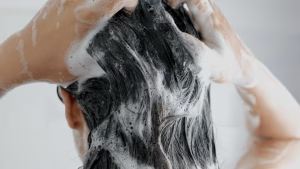
How hair is washed can influence how oily it is. Here are some tips:
- Frequency: The more you wash, the more you overproduce. Two to three times a week or every other day should suffice, based on personal requirements.
- Lukewarm Water: Hot water can also trigger oil production. Using tepid water helps to keep a healthy scalp.
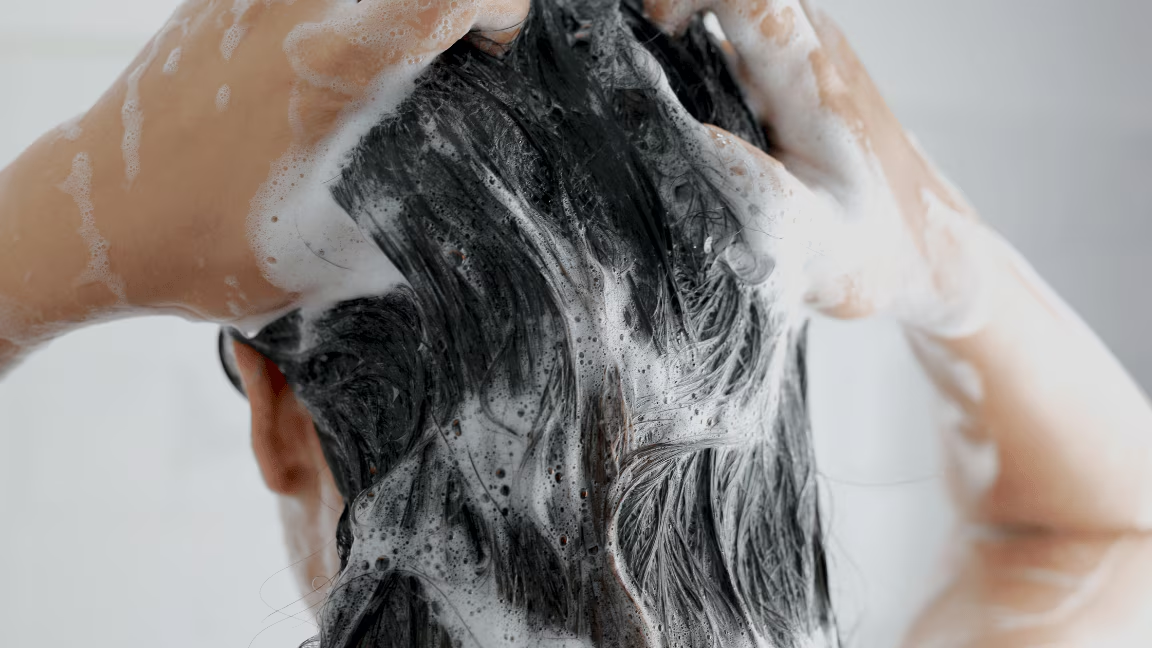
- Scalp Focus: Focus the shampoo on your scalp, where oil is most lodges, and let it clean the rest of the hair as it rinses away.
More Tips on Dealing with Oily Hair
- Dry Shampoo: An essential for when you need to stretch out time between washes, dry shampoo absorbs surface oil from your scalp hair and gives you a tiny bit of extra volume.
- Don’t Brush Too Much: Too much brushing can stimulate oil glands. Gently brush in one direction to distribute natural oils.
- Diet and Lifestyle: Ensuring a varied diet that is rich in omega-3 fatty acids and antioxidants may also help to maintain scalp health. It also helps balance oil production.
Exploring Natural Remedies
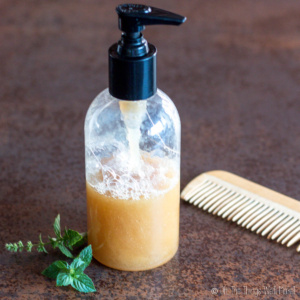
Aside from shampoos, there are also home remedies to help control oily hair. Applying diluted apple cider vinegar can help in balancing the pH levels in your hair and reduce greasiness. A clay mask once a week will draw out excess oil and unclog the scalp.
Choosing the Right Shampoo
The best shampoo for oily hair may take some trial and error. Try playing with different mixes and see how your hair reacts! You may also want to talk to a dermatologist or hair care specialist for individual recommendations for your needs!
Caring for Hair Beyond Shampooing
A common concern that people have is whether or not simply shampooing is enough, with their hair remaining oily despite their best efforts. Frequent brush cleansing and zeroing in on heavy stylers can both help prevent an excess of oil. Adopting an all-around perspective will encourage hair to be healthy.
Conclusion
Controlling oily hair is about finding a shampoo containing ingredients that regulate the production of oil and support a healthy scalp. It can be done with some gentle cleaning, natural remedy testing and some healthy living. Adjusting confidence in hair care selections from the inside out for oily hair, making it clean and beautiful.






Post Comment