Sprained Ankle Self-care
Introduction
A sprained ankle is a common injury that can occur during various activities, from sports to simple missteps. It involves the stretching or tearing of ligaments, causing pain and swelling. Proper self-care is crucial for recovery and preventing long-term issues. This guide provides detailed steps for managing a sprained ankle at home.
Understanding Sprained Ankles
Sprains are classified into three grades based on severity:
- Grade I: Mild stretching with minor damage to the ligament.
- Grade II: Partial ligament tear, resulting in moderate pain and swelling.
- Grade III: Complete ligament tear, causing severe pain and instability.
Identifying the severity helps in determining the appropriate care and whether professional medical attention is needed.
Immediate Steps for Self-Care
The first 24-48 hours are critical for effective recovery. Follow the R.I.C.E method:
- Rest
- Avoid putting weight on the injured ankle to prevent further damage.
- Use crutches if necessary to keep the weight off the ankle.
- Ice
- Apply ice packs wrapped in a cloth for 15-20 minutes every 2-3 hours.
- This helps reduce swelling and numbs the area, alleviating pain.
- Compression
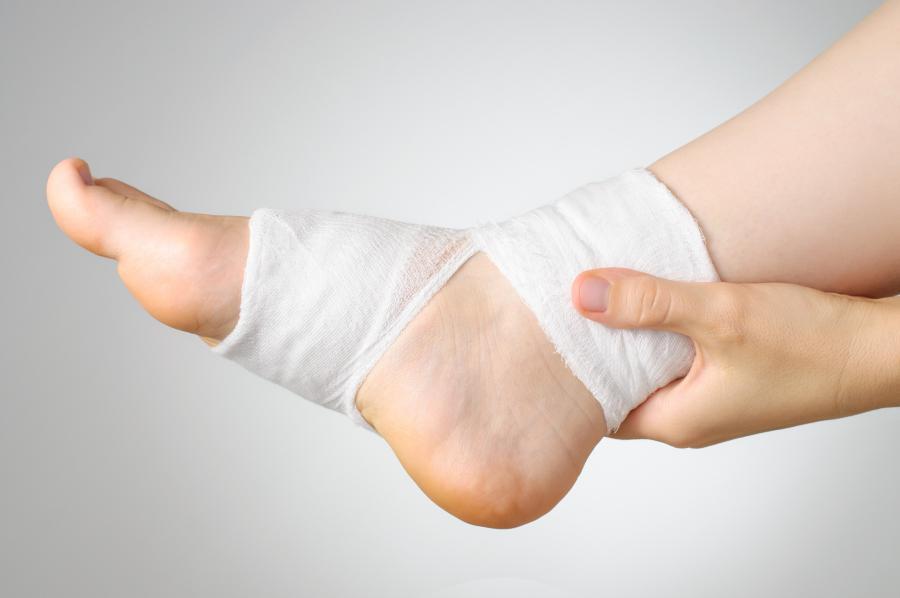
- Wrap the ankle with an elastic bandage, starting at the toes and moving up.
- Ensure the wrap is snug but not too tight to avoid cutting off circulation.
- Elevation
- Keep the ankle elevated above heart level as much as possible.
- Use pillows to support the ankle while sitting or lying down.
Pain Management
Over-the-counter pain relievers like ibuprofen or acetaminophen can help manage pain and reduce inflammation. Always follow the recommended dosage instructions and consult a healthcare professional if uncertain.
Gradual Rehabilitation
Once the initial swelling reduces, gradual rehabilitation is essential:
- Range of Motion Exercises
- Start with gentle movements to regain mobility.
- Try ankle circles or flexing and pointing the toes.
- Strengthening Exercises
- Incorporate exercises like towel scrunches or resistance band stretches.
- Focus on strengthening surrounding muscles for better support.
- Balance Training
- Practice standing on one foot to improve stability.
- Use a chair or wall for support if needed.
Footwear and Supports
Wearing supportive footwear can aid recovery and prevent re-injury. Consider:
- Ankle Braces: These provide stability and support during healing.
- Proper Shoes: Choose shoes with good arch support and cushioning.
Monitoring Progress
Pay attention to the healing process. If swelling, pain, or instability persists beyond a few days, consult a healthcare professional. Persistent issues may require physical therapy or further medical evaluation.
Preventing Future Sprains
Implementing preventive measures reduces the risk of future injuries:
- Warm-Up: Always warm up before physical activities to prepare the muscles and joints.
- Strength Training: Regularly perform exercises to strengthen the ankles and improve flexibility.
- Be Cautious: Pay attention to uneven surfaces or obstacles that may cause tripping.
When to Seek Professional Help
While self-care is effective for mild sprains, certain situations require medical attention:
- Inability to bear weight on the ankle.
- Severe swelling or pain.
- Visible deformity or suspected fracture.
- Symptoms that worsen over time.
Conclusion
Self-care for a sprained ankle involves immediate attention and gradual rehabilitation. By following the R.I.C.E method and incorporating exercises, individuals can effectively manage pain and promote healing. Preventive measures and monitoring progress further ensure long-term ankle health. If in doubt or if symptoms persist, consulting a healthcare professional is essential for a full recovery. With the right approach, a sprained ankle can heal effectively, allowing a return to normal activities.












Post Comment